


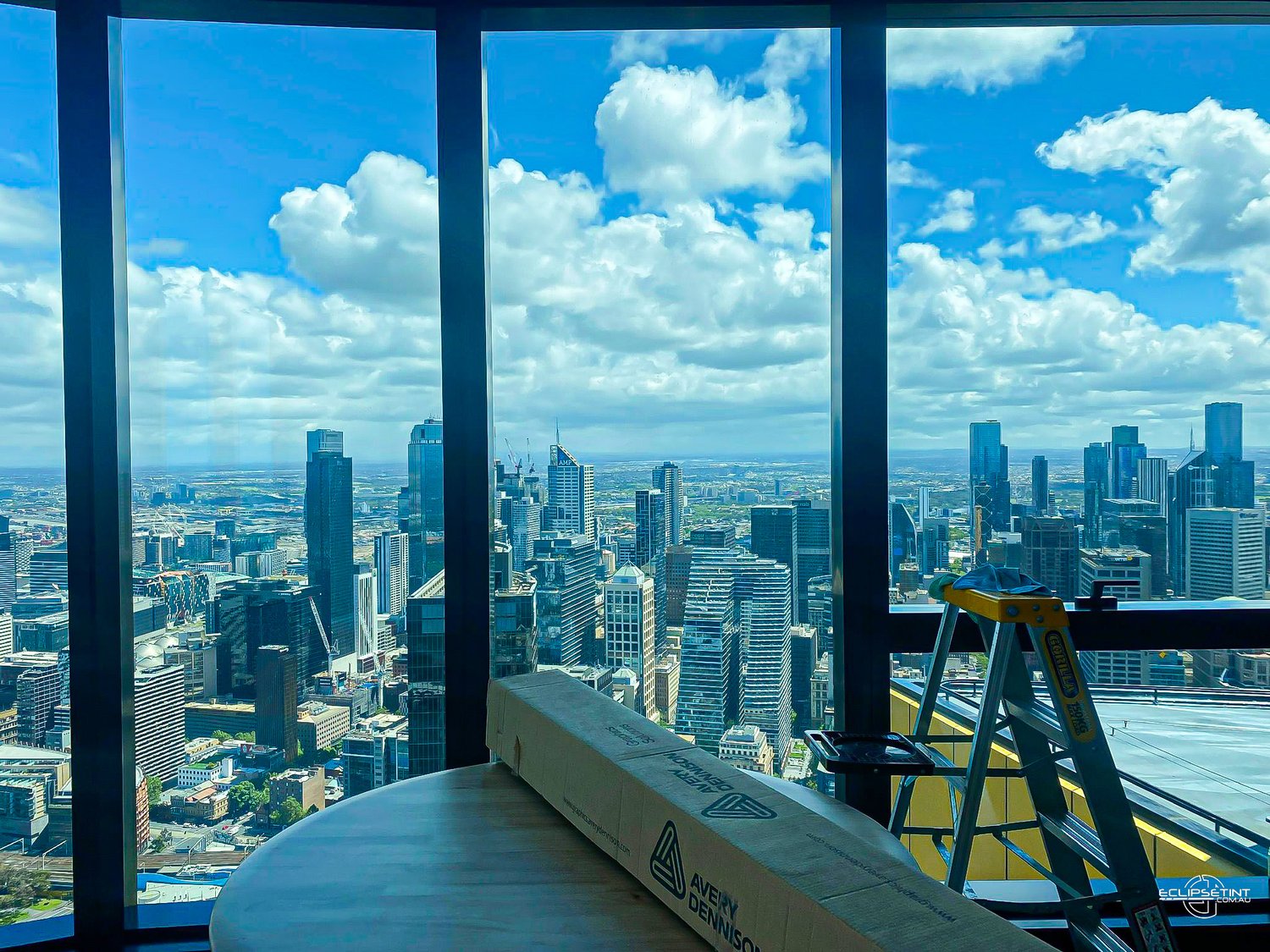
Across Melbourne, councils and building managers are getting ahead of summer by upgrading commercial buildings with external window films. It is a practical response to rising temperatures, ageing glazing, and growing expectations around energy efficiency and occupant comfort. When a heatwave hits and west facing glass turns offices into ovens, window tinting becomes less of a nice to have and more of an essential building upgrade.
For councils managing libraries, community centres, offices, and mixed use facilities, external window film offers a fast and cost effective way to reduce heat without replacing glass. The same thinking increasingly applies to private offices and even homes looking for reliable heat reduction without blocking natural light.
Why external window tinting is the preferred pre summer upgrade
Melbourne summers are unpredictable but consistently harsh on glass heavy buildings. Long stretches of direct sun combined with reflective city surfaces can push internal temperatures well beyond comfortable levels, especially in older council buildings designed before modern energy standards.
External window tinting works by stopping heat before it enters the glass. This is a key reason councils choose it over internal films. Once heat passes through glass, it is much harder to remove. By rejecting solar energy at the exterior surface, external films can significantly reduce internal heat load, glare, and cooling demand.
There is also a maintenance and longevity factor. External films are engineered for Australian UV exposure and weather conditions, making them suitable for public buildings that need reliable performance year after year. For councils, this means fewer complaints from staff and visitors, lower energy costs, and a visible commitment to sustainability.
Performance benefits councils and offices actually care about
When councils invest in window tinting, the decision is rarely cosmetic. Performance is what matters. External films can reduce solar heat gain dramatically, helping air conditioning systems cope during peak demand days. This is particularly valuable in buildings with large glass facades, open plan offices, or west and north facing elevations.
Glare reduction is another major benefit. Libraries, meeting rooms, and office spaces all suffer when sunlight reflects off screens and work surfaces. Tinting improves visual comfort without the need for blinds or curtains that block daylight completely.
UV protection also plays a role. High quality window films block up to ninety nine percent of UV radiation, protecting flooring, furniture, artwork, and interior finishes. This aligns with guidance from organisations such as the Australian Government energy efficiency programs and recognised glazing standards, which highlight solar control as a key strategy in managing building performance.
Comparing window tint types for commercial and residential use
Choosing the right film depends on the building type, glass configuration, and performance goals. Councils often prioritise durability and heat rejection, while offices and homes may balance privacy, light transmission, and aesthetics. The table below outlines common film types and where they work best.
|
Window film type |
Primary benefit |
Heat reduction performance |
Best suited for |
|---|---|---|---|
|
External solar control film |
Strong heat and glare reduction |
High |
Council buildings and commercial offices |
|
Ceramic window film |
Heat reduction without darkening |
Medium to high |
Offices and homes needing clear views |
|
Reflective window film |
Maximum solar rejection and daytime privacy |
Very high |
West facing commercial glazing |
|
Neutral residential film |
Balanced heat and UV control |
Medium |
Homes and low rise buildings |
A professional assessment is essential because glass type, orientation, and building use all influence the final result. What works for a council office in the CBD may not be ideal for a residential home in the suburbs.
Why councils set the standard and what property owners can learn
Councils tend to act early because they manage risk at scale. Heat related discomfort, rising energy costs, and public complaints are easier to prevent than fix mid summer. By upgrading window films before peak heat arrives, councils stabilise indoor conditions and protect their assets.
Commercial property owners and homeowners can apply the same logic. Office window tinting in Melbourne is increasingly seen as a smart operational upgrade rather than a reactive fix. For homes, especially those with large windows or open living areas, window tinting for heat reduction can transform comfort without major renovation.
At Eclipse Tint, we work with councils, businesses, and homeowners across Melbourne, providing tailored window tinting solutions that perform in real conditions. If you want expert advice on the best window tinting for your office or home, contact Eclipse Tint today for a professional assessment and installation designed to keep your building cooler before summer arrives.